


As a seasoned supplier of paper bag gluing machines, I've witnessed firsthand the transformative impact these machines have on the paper bag manufacturing industry. However, like any piece of industrial equipment, paper bag gluing machines are not immune to problems. In this blog post, I'll delve into the common issues that operators encounter with paper bag gluing machines and provide practical solutions to address them.
1. Inconsistent Glue Application
One of the most prevalent problems with paper bag gluing machines is inconsistent glue application. This can manifest in various ways, such as uneven glue lines, excessive or insufficient glue, or glue that doesn't adhere properly to the paper.
Causes
- Clogged Nozzles or Tubes: Over time, glue residue can accumulate in the nozzles or tubes of the gluing system, obstructing the flow of glue and leading to inconsistent application.
- Incorrect Glue Viscosity: The viscosity of the glue plays a crucial role in its application. If the glue is too thick, it may not flow smoothly through the system, resulting in uneven application. Conversely, if the glue is too thin, it may run off the paper or not provide sufficient adhesion.
- Worn or Damaged Components: The gluing system consists of several components, such as pumps, valves, and rollers. If these components are worn or damaged, they may not function properly, leading to inconsistent glue application.
Solutions
- Regular Cleaning and Maintenance: To prevent clogged nozzles and tubes, it's essential to clean the gluing system regularly. This can be done by flushing the system with a suitable cleaning solution and removing any debris or residue.
- Adjusting Glue Viscosity: Most paper bag gluing machines allow for adjustment of the glue viscosity. By following the manufacturer's recommendations and using a viscosity meter, you can ensure that the glue is at the optimal consistency for application.
- Replacing Worn or Damaged Components: If you notice any signs of wear or damage to the components of the gluing system, such as leaks or abnormal noises, it's important to replace them promptly. This will help to ensure consistent glue application and prevent further damage to the machine.
2. Paper Jams
Paper jams are another common problem that can occur with paper bag gluing machines. This can disrupt the production process, cause downtime, and potentially damage the machine.
Causes
- Misaligned Paper Feeding: If the paper is not fed into the machine correctly, it may become jammed. This can be caused by a variety of factors, such as improper adjustment of the paper guides, uneven paper stacks, or a misaligned feed roller.
- Excessive Paper Dust or Debris: Paper dust and debris can accumulate in the machine over time, causing friction and preventing the paper from feeding smoothly. This can lead to paper jams and other problems.
- Worn or Damaged Feed Rollers: The feed rollers are responsible for pulling the paper through the machine. If these rollers are worn or damaged, they may not grip the paper properly, causing it to slip or jam.
Solutions
- Proper Paper Feeding Setup: To prevent misaligned paper feeding, it's important to ensure that the paper guides are properly adjusted and that the paper stacks are even. You should also check the alignment of the feed roller and make any necessary adjustments.
- Regular Cleaning: To remove paper dust and debris from the machine, it's important to clean it regularly. This can be done by using a vacuum cleaner or compressed air to remove any loose particles.
- Replacing Worn or Damaged Feed Rollers: If the feed rollers are worn or damaged, they should be replaced promptly. This will help to ensure smooth paper feeding and prevent paper jams.
3. Poor Adhesion
Poor adhesion is a significant issue that can affect the quality and durability of paper bags. If the glue does not adhere properly to the paper, the bags may come apart during use, leading to customer dissatisfaction and potential product returns.
Causes
- Incompatible Glue and Paper: Different types of paper require different types of glue for optimal adhesion. If the glue is not compatible with the paper, it may not adhere properly, resulting in poor adhesion.
- Insufficient Glue Application: As mentioned earlier, insufficient glue application can also lead to poor adhesion. If the glue line is too thin or the amount of glue is inadequate, the bond between the paper layers may be weak.
- Contaminated Paper or Glue: Contamination of the paper or glue can also affect adhesion. For example, if the paper is dirty or has a coating that prevents the glue from bonding, or if the glue is contaminated with foreign substances, adhesion may be compromised.
Solutions
- Selecting the Right Glue: Before using a paper bag gluing machine, it's important to ensure that the glue is compatible with the type of paper being used. You can consult with the glue manufacturer or conduct adhesion tests to determine the most suitable glue for your application.
- Adjusting Glue Application Parameters: To ensure sufficient glue application, you may need to adjust the parameters of the gluing machine, such as the glue flow rate, pressure, and temperature. By following the manufacturer's recommendations and conducting tests, you can optimize the glue application for the best adhesion.
- Maintaining a Clean Environment: To prevent contamination of the paper and glue, it's important to maintain a clean working environment. This includes keeping the machine and surrounding area free of dust, debris, and other contaminants. You should also store the paper and glue in a clean, dry place to prevent moisture and other factors from affecting their quality.
4. Machine Vibrations
Excessive machine vibrations can cause a range of problems, including reduced machine lifespan, poor product quality, and safety hazards.
Causes
- Unbalanced Components: If the components of the paper bag gluing machine, such as the motors, pulleys, or belts, are not properly balanced, they can cause vibrations. This can be due to manufacturing defects, wear and tear, or improper installation.
- Loose or Worn Fasteners: Over time, the fasteners that hold the machine components together may become loose or worn. This can cause the components to move and vibrate, leading to increased noise and potential damage to the machine.
- Inadequate Machine Installation: If the paper bag gluing machine is not installed on a stable and level surface, it can cause vibrations. Uneven floors or improper leveling can result in the machine rocking or shaking during operation.
Solutions
- Balancing Components: To reduce vibrations caused by unbalanced components, it's important to have the machine professionally balanced. This may involve adjusting the weights of the components or using vibration dampening materials.
- Tightening or Replacing Fasteners: Regularly inspect the fasteners on the machine and tighten any that are loose. If a fastener is worn or damaged, replace it immediately to prevent further problems.
- Proper Machine Installation: Ensure that the paper bag gluing machine is installed on a stable and level surface. Use shims or leveling feet to adjust the machine's position if necessary. This will help to minimize vibrations and ensure smooth operation.
5. Electrical Issues
Electrical issues can pose a serious risk to the operation of the paper bag gluing machine and the safety of the operators.
Causes
- Faulty Wiring or Connections: Over time, the wiring and connections in the machine can become damaged or loose. This can cause electrical shorts, power outages, or other problems.
- Overheating Components: Electrical components, such as motors and controllers, can overheat if they are overloaded or if there is insufficient ventilation. This can lead to component failure and potentially cause a fire.
- Power Surges or Fluctuations: Power surges or fluctuations in the electrical supply can damage the sensitive electronic components of the machine. This can occur due to lightning strikes, faulty electrical systems, or other external factors.
Solutions
- Regular Electrical Inspections: To prevent electrical issues, it's important to have the machine's electrical system inspected regularly by a qualified electrician. This can help to identify any potential problems and ensure that the wiring and connections are in good condition.
- Proper Ventilation: Ensure that the machine has adequate ventilation to prevent overheating of the electrical components. This may involve installing fans or vents or ensuring that the machine is not placed in a confined space.
- Using Surge Protectors: To protect the machine from power surges and fluctuations, it's recommended to use surge protectors. These devices can help to absorb excess voltage and prevent damage to the electronic components.
Conclusion
In conclusion, paper bag gluing machines are essential equipment in the paper bag manufacturing industry. However, they can encounter various problems that can affect their performance and productivity. By understanding the common problems and their solutions, you can take proactive measures to prevent these issues and ensure the smooth operation of your paper bag gluing machine.
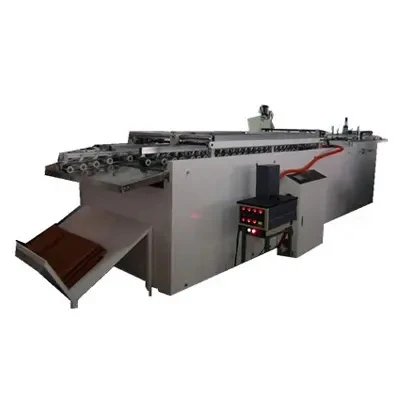
If you're in the market for a high-quality paper bag gluing machine, we offer a range of options to meet your specific needs. Our Hot Melt Adhesive Paper Bag Sealing Machine and Automatic Folding Gluing Machine are designed with advanced features and technology to provide reliable and efficient performance.
If you have any questions or would like to discuss your paper bag gluing machine requirements, please don't hesitate to contact us. We're here to help you find the best solution for your business.

References
- Manufacturer's manuals for paper bag gluing machines
- Industry best practices for paper bag manufacturing
- Technical articles on industrial equipment maintenance and troubleshooting


